Connector for a Solar System on a Flat Roof
Our MYSOLARPLANT plug-and-play solar systems—perfect for your flat roof
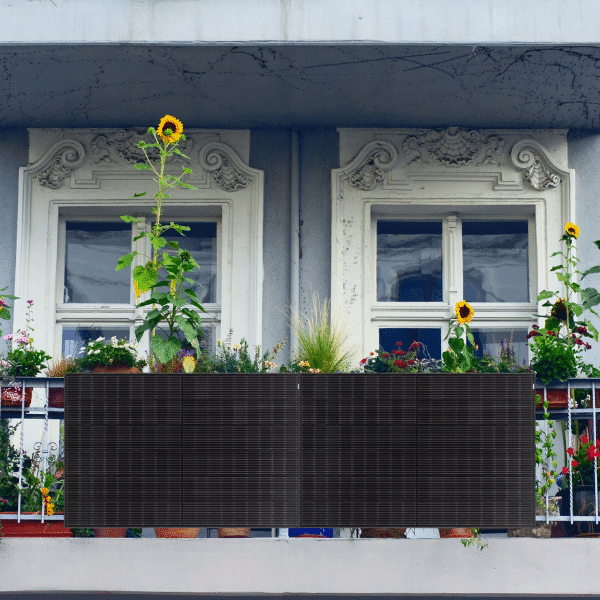
Balcony Power Plants for Flat Roofs
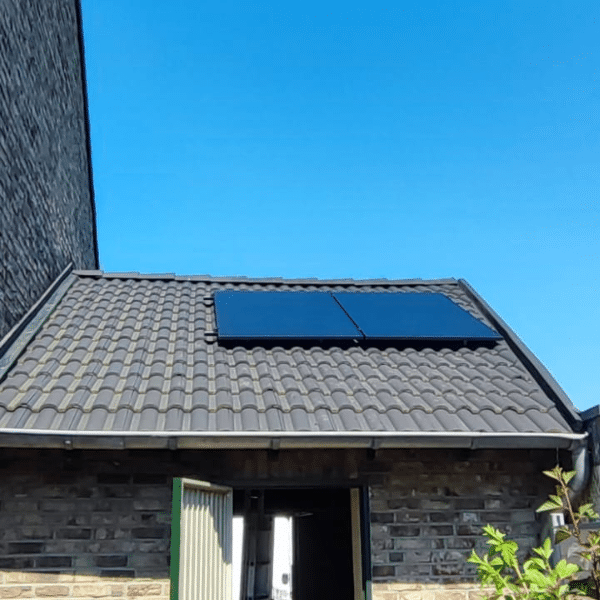
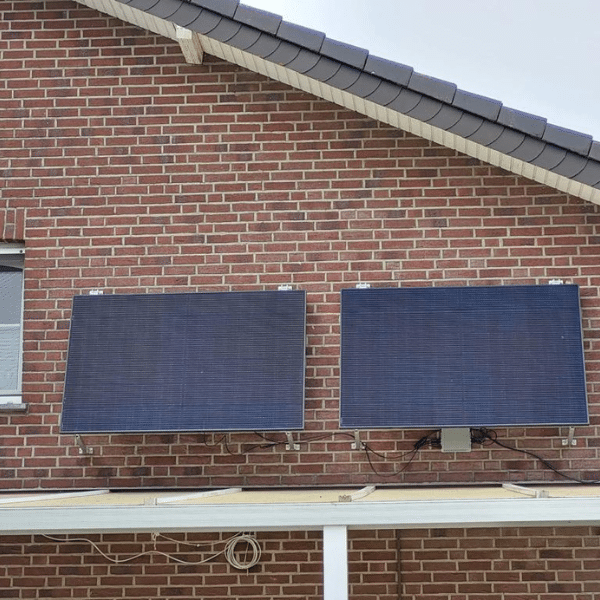
MYSOLARPLANT's plug-and-play solar systems are designed for flat surfaces, feature an adjustable aluminum mount, can be weighted down with panels, and come as complete sets with all necessary accessories,
Our Power Packages with Glass-Glass Modules
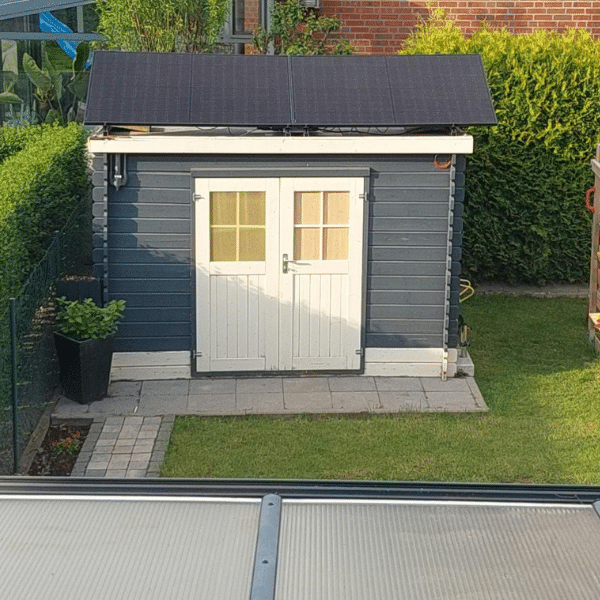
MYSOLARPLANT Flat Roof 870W Glass-Glass
- 600W (799W) Inverter
- 2 solar panels (435 Wp each)
- Inverter with Wi-Fi
MYSOLARPLANT Flat Roof 1740W Glass-on-Glass
- 1600W (800W) Inverter
- 4 solar panels (435 Wp each)
- Inverter with Wi-Fi
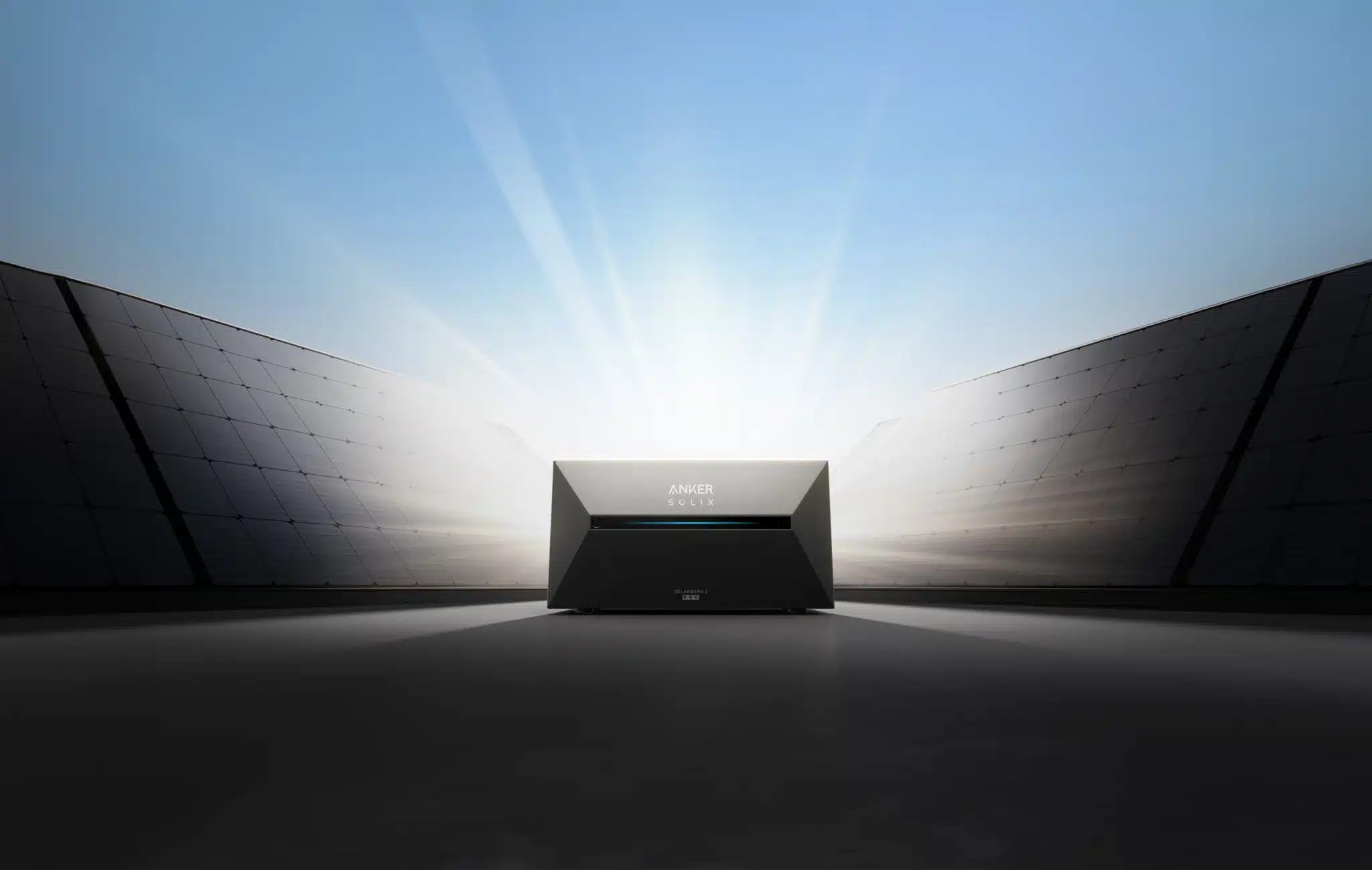
MYSOLARPLANT Flat Roof 1740W Glass-on-Glass, including SOLIX Pro 2 anchors
- 2400W integrated inverter
- 4 solar panels (435 Wp each)
- Inverter with Wi-Fi
MYSOLARPLANT Flat Roof 870W Glass-on-Glass, incl. SOLIX E1600 Mounting Brackets
- 600W (799W) Inverter
- 2 solar panels (435 Wp each)
- Inverter with Wi-Fi
Solar Panel Mounting Bracket for Flat Roofs
Maximize the energy efficiency of your flat roof with MYSOLARPLANT. Our plug-and-play solar systems are specifically designed for flat roofs and combine state-of-the-art monocrystalline half-cell technology with an output of 405 Wp per solar module. Thanks to our AP-System microinverter, you can achieve an impressive 600 watts of power—and keep an eye on it at all times via the integrated Wi-Fi module.
The durable stainless steel and aluminum mounts ensure optimal alignment of the modules on your flat roof. With a flexible tilt of approximately 20 degrees, you minimize wind loads and maximize sunlight exposure. Installation is a breeze and doesn’t require a professional—it’s a true DIY project!
Choose MYSOLARPLANT for your flat roof and enjoy the benefits of sustainable energy, top-notch quality, and long-term warranties. Invest in the future—with MYSOLARPLANT for flat roofs.
Frequently Asked Questions
What changes are coming in 2024 for balcony power plants?
1. What changes will take effect in 2024 regarding the power limit for balcony power plants?
The output power (de minimis limit) for plug-in solar systems will be increased from 600 watts to 800 watts.
2. How will the registration process for balcony power plants be simplified in 2024?
The registration process in the Market Master Data Registry will be simplified. Registration with the grid operator will no longer be required and will be handled automatically by the Federal Network Agency.
3. What happens to old electricity meters after registering a balcony power plant?
After registration with the Federal Network Agency, the grid operator has four months to replace old meters with modern bidirectional or smart meters.
4. Is there a recommendation for an 800-watt inverter?
Yes, we recommend the APSystem EZ1 inverter. It is suitable for 2 solar panels, each with a capacity of up to 730 watts.
5. Is the new law on balcony power plants already in effect?
No, it is currently still a bill. The planned effective date is January 1, 2024.
How much energy does a 600-watt solar system generate per day?
A 600-watt solar system generates between 2.4 and 4.8 kWh per day, depending on sunlight levels and location. This is equivalent to the energy required to charge a smartphone approximately 40 to 80 times. However, it is important to note that these figures may vary depending on weather conditions and the time of year.
What happens if the electric meter runs backward?
In Germany, if your electricity meter runs backward, it means you’re generating more electricity than you’re using and feeding the surplus into the grid. However, modern meters (known as bidirectional meters) are designed to track generation and consumption separately. Meters that run backward are no longer permitted and should be replaced with current models to ensure accurate billing.
Is it possible to operate two balcony power plants?
Yes, in Germany you can operate two balcony power plants at the same time. However, please note:
1. The total power output must not exceed 800W (feed-in limit according to Solar Package I).
2. You must register the system in the market master data registry; a separate registration with the grid operator is no longer required following the 2024 simplification.
3. Use special feed-in connectors and ensure that your electrical installation can handle the load.
4. Position the panels optimally for maximum sunlight exposure.
It is advisable to consult a professional before installation.
Can you feed solar power directly into an outlet?
Yes, in Germany you can feed solar power directly into the outlet; this is called a “balcony power plant.” However:
1. The feed-in power must not exceed 800 W (limit in effect since Solar Package I, 2024).
2. Registration in the Market Master Data Registry is required; separate registration with the grid operator is no longer necessary as of 2024.
It is important to follow safety guidelines and, if in doubt, consult a professional.